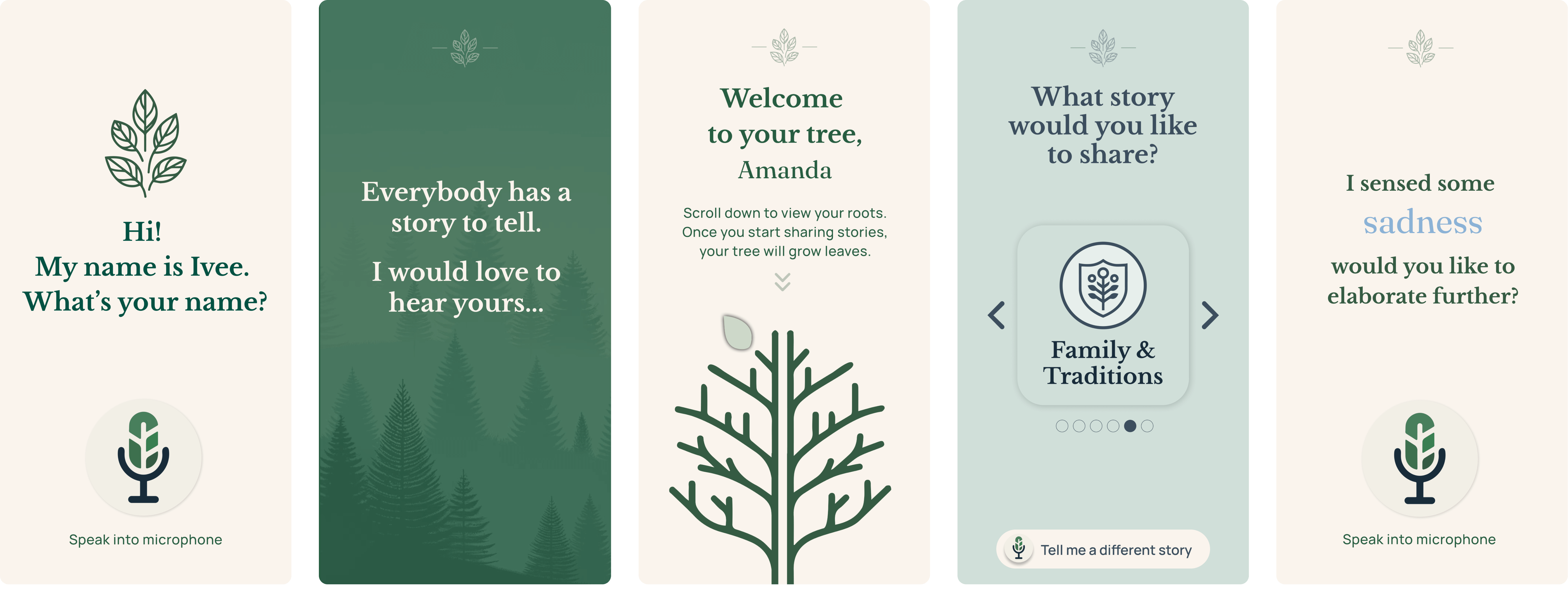
Ivee is a family history preservation service using AI. Users upload voice recordings of stories and our algorithm extracts details to create a digital family forest. Each person's life is represented by a tree, with experiences as leaves. The platform is end-to-end encrypted, ensuring privacy for family members.
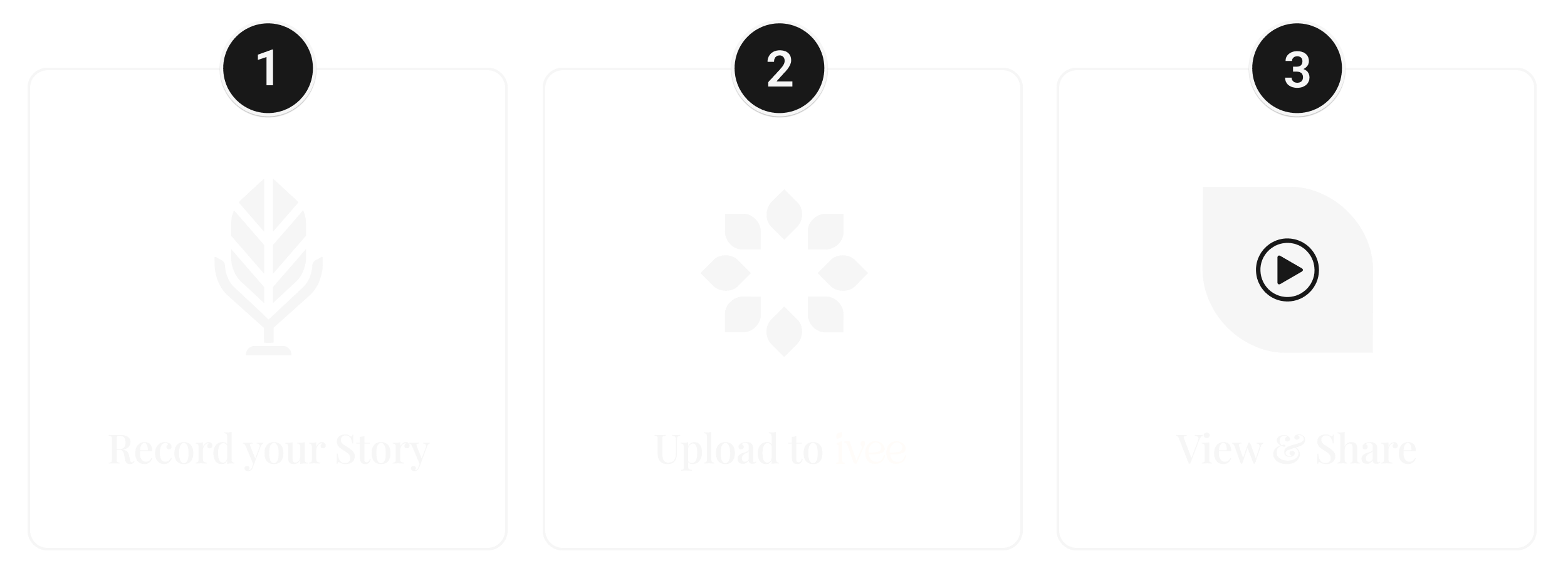
It's easier than ever to become your family's historian. Simply record a storytelling session, upload to ivee, and watch as all the memories become consolidated into a lasting leaf.
Both the team and idea formed at the world's largest collegiate hackathon, CalHacks 10.0. During the brainstorming session, we bonded over our deep connections with family members and the stories they shared. Our authentic approach showed to the judges, as we won the Intel prize and was invited to join the Intel Liftoff Program with Ivee. Ever since, I have been the full-stack engineer and taking on lead product discovery roles, collaboraing on all aspects from marketing with Lema, technological scaling with Tianyun, and accessible UX design with Sania.
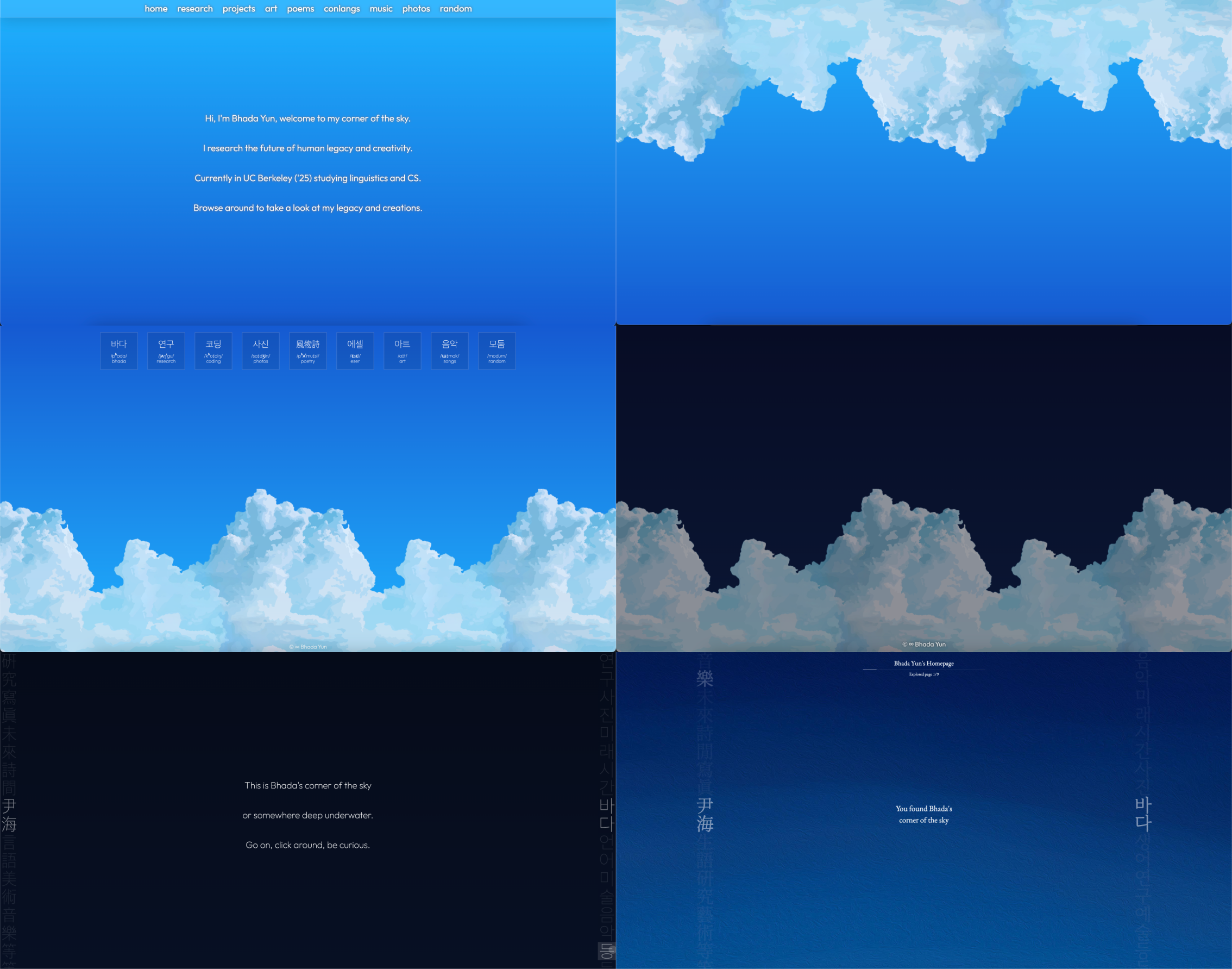
The site has been through many iterations and changes over the years. Chances are, it might look completely different in a year, or tomorrow.
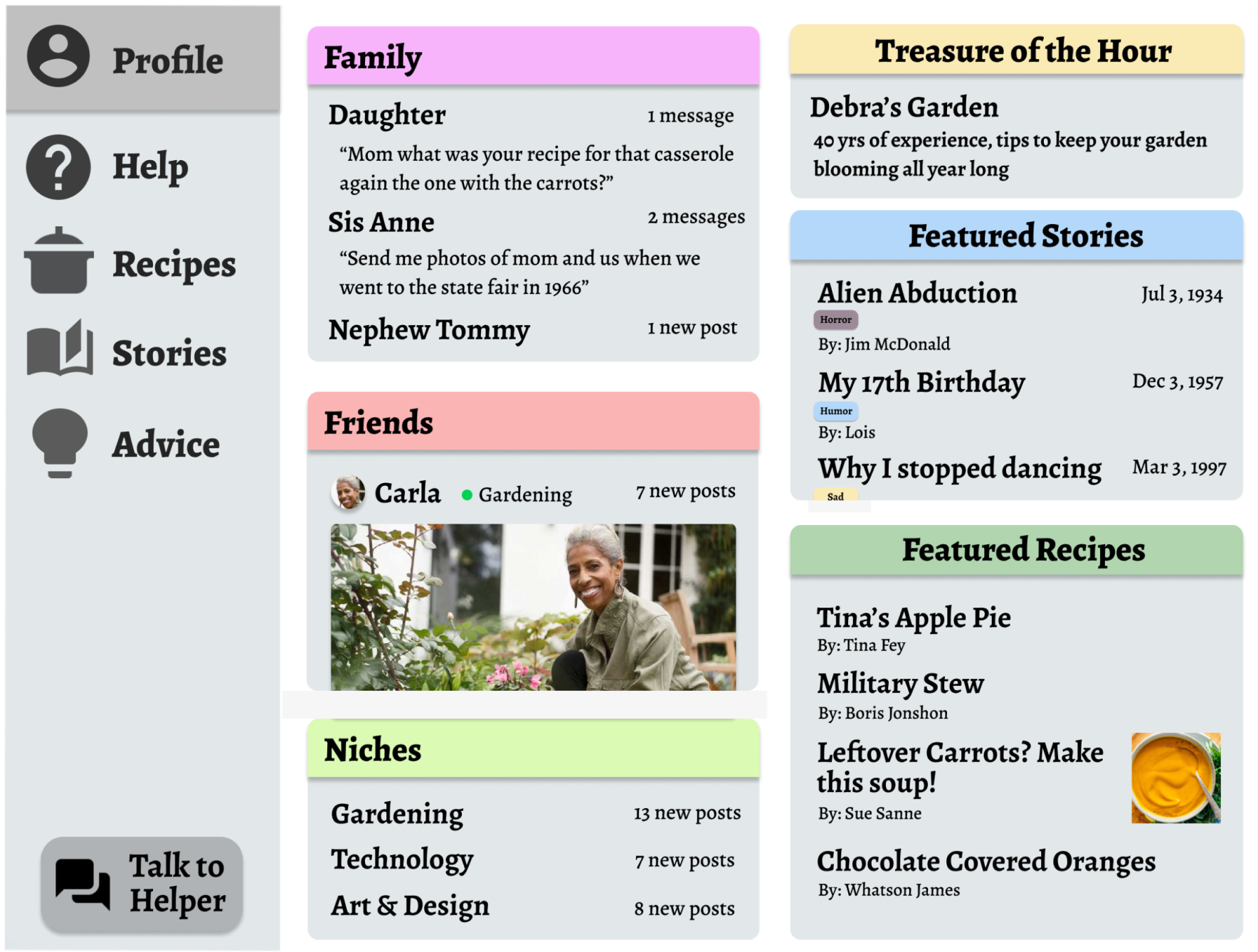
This was one of the earliest drafts of Timeless Treasures. Led the prototyping process from low-fidelity to high-fidelity in Figma, directing user interviews with senior citizens to inform accessibility-focused design decisions.
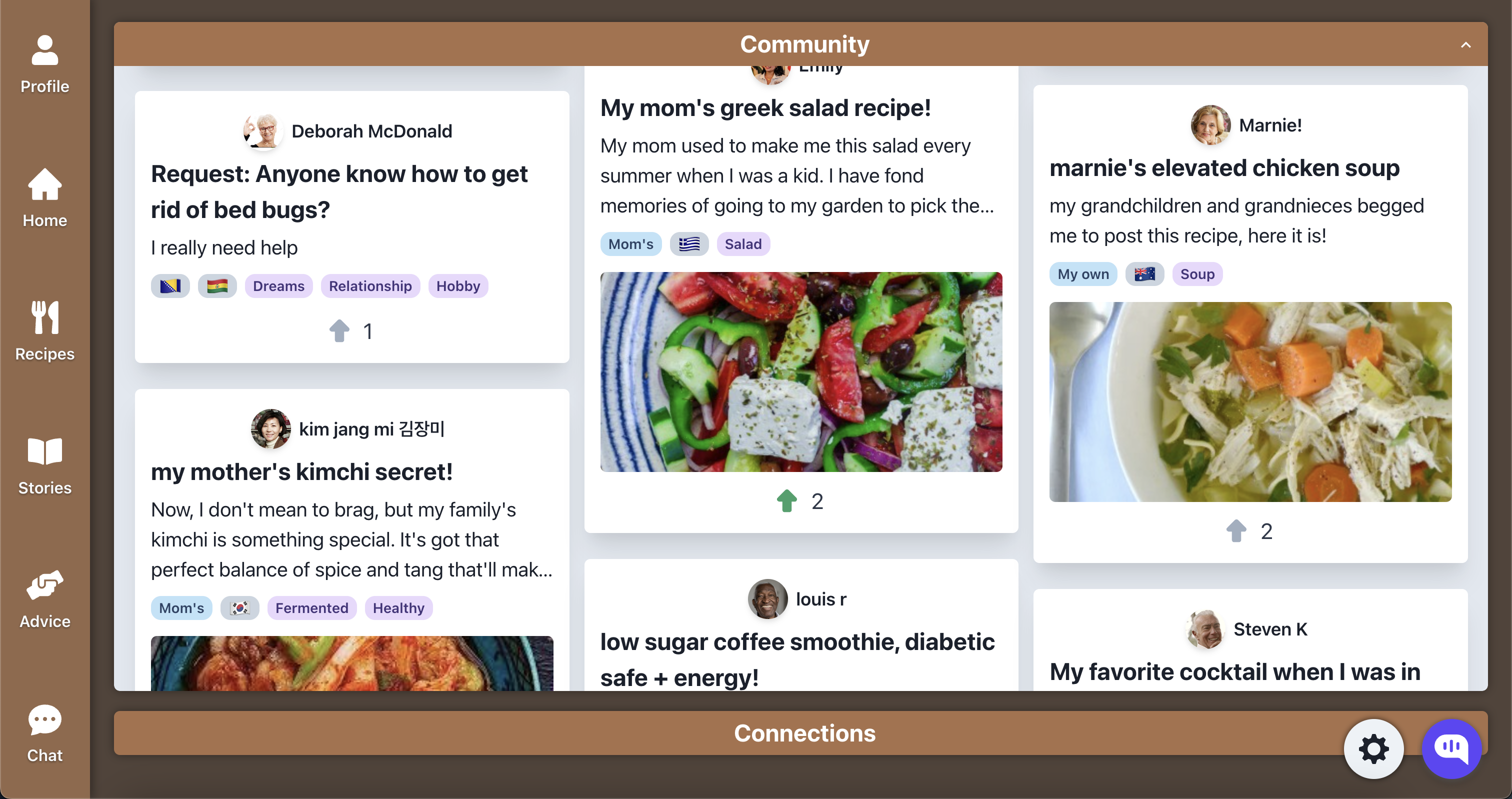
Spearheaded development of the final React application, implementing senior-friendly UI features while mentoring team members in React development. This project involved storyboarding, various brainstorming techniques, contextual inquiry, application of HCI principles, usability evaluation, accessibility heuristics, and task & competitive analysis in regards to building and maintaining a product.
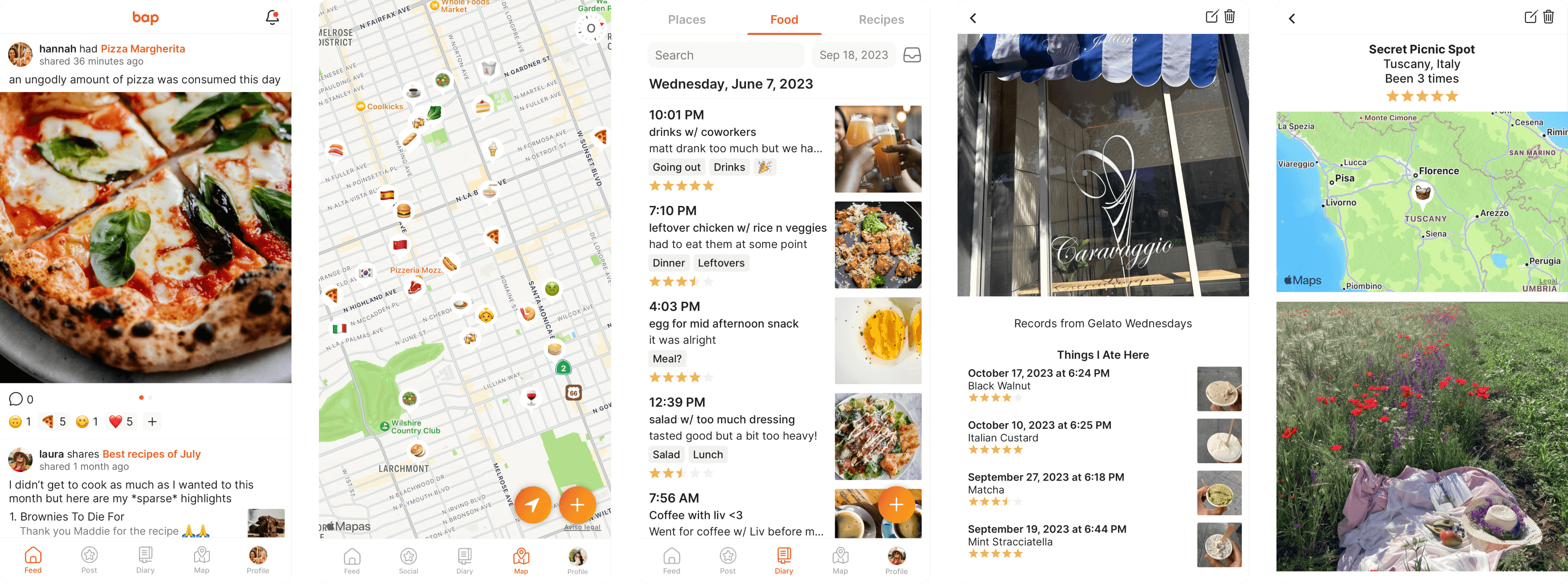
The app features a sleek design and user-friendly interface, making it easy to track your food journey. This was a personal side project of mine that I would work on by myself after finishing my school assignments. I've always wanted to learn to create my own apps and with each line of code written, I just kept getting new feature ideas, and I typed them into life using React Native. By the end, I had written 60,998 lines of code and a heck of a lot of experience. It was a tough learning process, especially the logistical aspects of uploading to the App Store, adding monetization, and connecting advertisements, but by the end, I was proud of what I could achieve and am excited to work on more applications on a larger scale. After this, I realized I can really learn to make anything. There are so many resources out there, all you need is the passion to keep going!
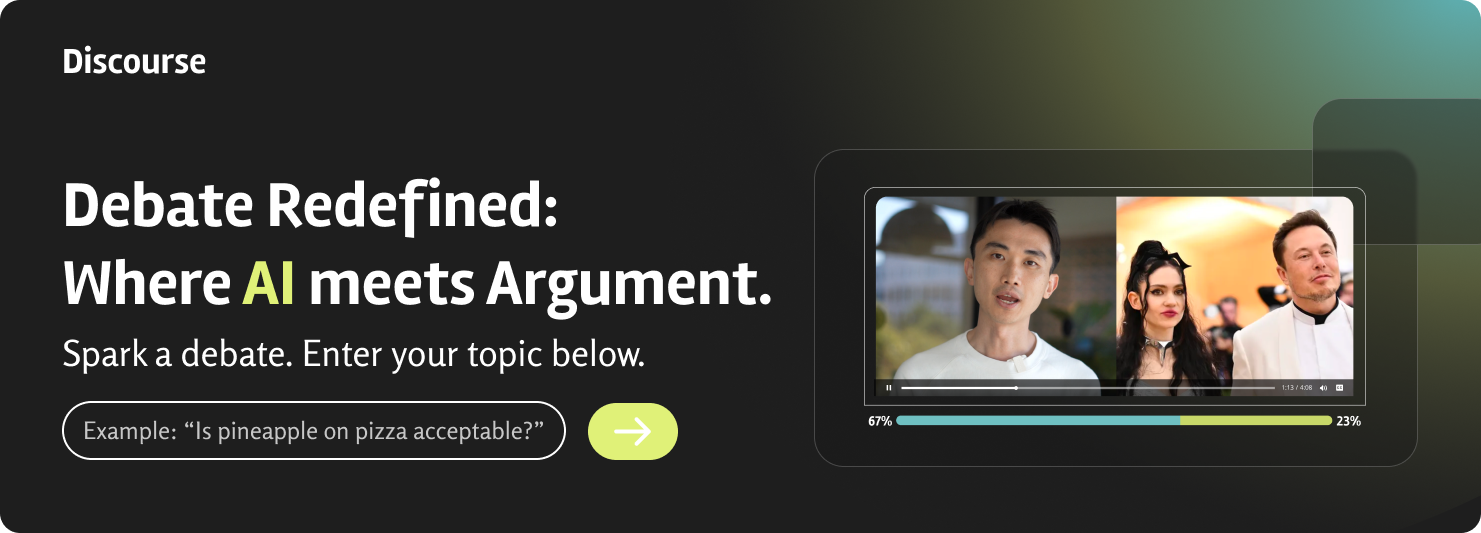
A dream is a story you tell yourself about your future.
 未 /mi/ to not yet bea tree waiting for new growth
 來 /le/ to comea maturing wheat plant
This is a curated list of my personal projects.
AI was involved in the creation of these apps.
Remember that every function has a door you can enter()